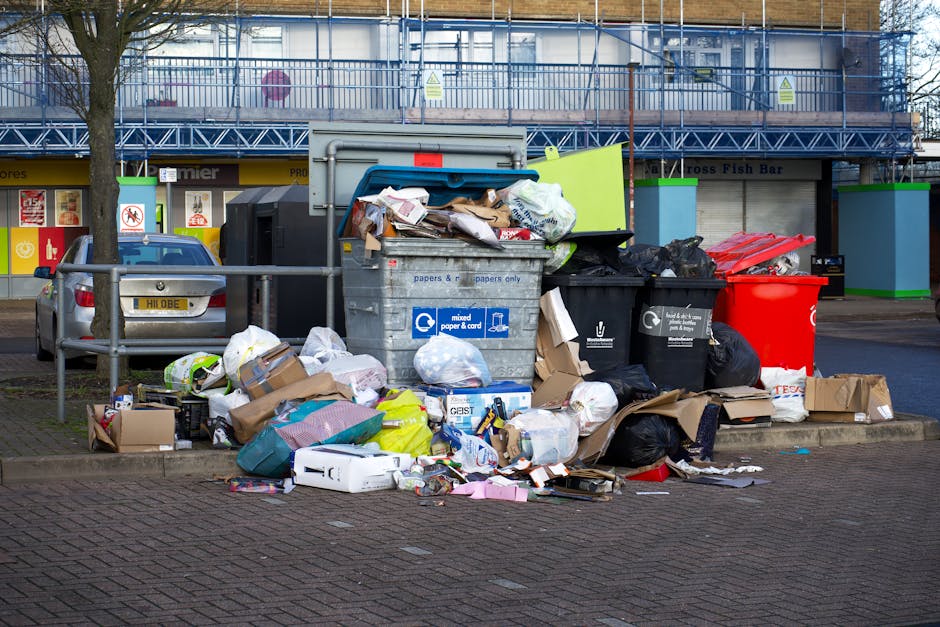
Greenwich Park bulky waste removal and collection tips
Posted on 10/06/2026

If you live near Greenwich Park, you already know that bulky items have a way of building up quietly. A sagging sofa in the hallway, a broken wardrobe in the spare room, a mattress that has been "temporarily" leaning against the wall for weeks - it all starts to feel a bit much. This guide to Greenwich Park bulky waste removal and collection tips is here to make the process easier, safer, and far less annoying than it first looks.
Whether you are clearing a flat, refreshing a family home, dealing with post-renovation clutter, or just trying to get rid of one stubborn appliance, the right approach saves time and stress. It also helps you avoid missed collections, unnecessary lifting injuries, and the classic mistake of putting the wrong item out at the wrong time. Let's face it, nobody wants their front path cluttered for another week.
Below, you will find practical advice on what counts as bulky waste, how collection usually works, what to prepare before booking, and how to avoid common problems. There is also a checklist, a comparison table, and a straightforward FAQ section for the questions people actually ask.
Why Greenwich Park bulky waste removal and collection tips matters
Bulky waste is a slightly awkward category because it is neither everyday rubbish nor quite the same as renovation debris. It tends to include large household items such as sofas, armchairs, mattresses, tables, wardrobes, bed frames, broken white goods, and other things that simply do not fit in normal bins. In a busy area like Greenwich Park, that creates practical problems fast: limited space, shared hallways, tight parking, and neighbours who would rather not step over a dismantled cabinet on their way out.
Good bulky waste planning matters for a few reasons. First, it keeps homes safer and easier to move around in. Second, it helps you choose the right collection method for the item, which can reduce wasted effort. Third, it gives you more control over where reusable or recyclable items end up. That last part is often overlooked, but it is genuinely useful if you care about waste reduction without turning the whole thing into a weekend project.
There is also a local reality to consider. Around Greenwich Park, access can be straightforward one day and frustrating the next, depending on where you are, the type of property, and whether the item needs to be carried through narrow internal spaces. A bit of planning makes the whole thing smoother. A lot smoother, actually.
If you are comparing service options or trying to understand how a professional collection fits into your wider home plans, it may also help to browse the broader services overview and the company's approach to recycling and sustainability. Those pages are useful when you want a clearer sense of how waste is handled after it leaves your property.
How Greenwich Park bulky waste removal and collection tips works
The process is usually simpler than people expect, but only if you prepare properly. In practical terms, bulky waste collection normally begins with identifying the item, checking its condition, and deciding whether it should be reused, donated, dismantled, or removed as waste. Once you know that, you can choose between council-style collection arrangements, private collection, or a mixed approach if you are dealing with more than one type of waste.
For many households, the first step is separating bulky items from general clutter. That sounds obvious, but it changes everything. A sofa hidden behind a pile of cardboard and an old printer is harder to assess, harder to quote for, and harder to move safely. Once the bulky item is visible and accessible, you can work out whether it needs two people, specialist handling, or simply a bit of disassembly.
The next stage is usually collection planning. That includes deciding where the item will be placed, whether it needs to pass through common areas, and whether there are any restrictions on time, parking, or access. In central-ish parts of Greenwich, that matters more than people think. A collection is not just "take the item away"; it is more like, "make sure the item can be removed without creating a small logistical drama."
It also helps to know what a good waste carrier does. A legitimate operator should be clear about what they collect, how they handle different materials, and whether anything can be recycled or separated. If you are checking credentials, the page on waste carrier licence and compliance is a sensible place to start.
And if your item is particularly awkward - for example, a heavy wardrobe down three flights of stairs, or a fridge that has to come from a tight kitchen - you will want to make sure safety is part of the plan, not an afterthought. More on that later.
Key benefits and practical advantages
There is a real benefit to handling bulky waste properly instead of just "getting it out of the way" as quickly as possible. The obvious one is space. The less obvious one is how much mental clutter disappears with the physical clutter. You walk into the room and think, right, that is one thing less to deal with. It sounds small, but it changes the feel of a home.
Here are some of the most useful advantages:
- Safer movement inside the property: large items are less likely to block stairs, hallways, or exits.
- Less risk of damage: when heavy pieces are moved with a plan, walls, floors, and door frames are less likely to take a knock.
- Better recycling outcomes: items can often be separated for reuse or material recovery instead of going straight to disposal.
- Cleaner timing: a collection booked around your schedule avoids the "I'll deal with it later" trap.
- Less stress on move day: if you are clearing a property, bulky waste is one less thing competing for attention.
There is also a money angle, though I would keep expectations sensible. Good preparation can reduce labour time, and that can improve value. Likewise, a clear understanding of what is being removed avoids surprise add-ons. That is why pages like pricing and quotes are worth a look before you commit to any service.
One practical advantage people forget: having a proper plan usually makes the day feel calmer. No scrambling. No mystery pile in the corner. No frantic lifting with one person saying, "steady, steady" while the other has already started moving. We have all seen that scene, or been in it, to be fair.
Who this is for and when it makes sense
Bulky waste removal is not just for full house clearances. In Greenwich Park, it is relevant to a surprisingly broad mix of people and situations.
- Homeowners replacing old furniture, appliances, or garden items.
- Renters moving out and dealing with leftover items that will not fit in regular bins.
- Landlords clearing damaged or abandoned furniture between tenancies.
- Families making more space after seasonal decluttering or a home upgrade.
- Busy professionals who simply do not have the time to dismantle and transport large items themselves.
- Small businesses replacing office furniture or disposing of old equipment.
It makes sense when an item is too large, too heavy, or too awkward to be handled as normal household waste. It also makes sense when you want the removal done quickly and without leaving items sitting outside for days. A mattress in the rain is not exactly a joy to deal with the following morning.
If the job involves a mix of furniture, appliances, and general household clutter, you may find domestic waste collection in Greenwich helpful for understanding how mixed domestic items are usually handled. If the job is larger and more emotional - say, a relative's property or a long-overdue clear-out - house clearance in Greenwich may be the more relevant route.
Step-by-step guidance
Here is a practical way to approach bulky waste removal without making it harder than it needs to be.
- Identify every bulky item. Make a simple list. Include size, condition, and whether it can be dismantled.
- Separate reuse from disposal. If something is usable, consider whether it belongs in a reuse or donation stream rather than a waste load.
- Measure access points. Check door widths, stair turns, lift size, and anything awkward like low ceilings or tight landings.
- Clear the route. Move rugs, lamps, loose cables, and fragile items out of the path before collection day.
- Take clear photos. These help with quoting and avoid misunderstandings about size or quantity.
- Check what needs special handling. Fridges, washing machines, and some other items may require different treatment from standard furniture.
- Confirm timing and access. Think about parking, collection windows, and whether someone needs to be present.
- Prepare the items. Empty drawers, bag loose screws, tape doors shut if needed, and make sure the item is safe to move.
- Ask about recycling routes. A good provider should be able to explain what happens next in plain English.
If you are dealing with a bulky appliance, it is sensible to look at white goods and appliance disposal in Greenwich before collection. If your bulky waste came from home improvements, then builders waste removal in Greenwich may be the more suitable reference point, especially where the load includes mixed heavy materials.
One little thing that saves hassle: label items you definitely want removed. It sounds almost silly, but when you are standing in a room full of old furniture, a spare mirror, a lamp, and half a flat's worth of memories, "keep" and "go" can blur together very quickly.
Expert tips for better results
These are the sorts of practical tips that make a bulky waste job easier from the start.
- Break large items down where it is safe to do so. A wardrobe that comes apart is easier to handle than one big piece wedged around a stairwell turn.
- Keep screws and fittings together. Use a small bag and tape it to the item if reuse is possible, or keep it nearby for sorting.
- Leave a clear collection point. The fewer obstacles, the faster and safer the removal.
- Avoid overloading hallways. Piling items in a corridor can create a trip hazard and make the final removal more awkward.
- Be honest about condition. If a sofa is water damaged, broken, or infested, say so. It changes the handling approach.
- Book earlier than you think. Especially if you are moving house or clearing before a deadline.
- Use the same logic for all bulky categories. Furniture, appliances, and garden pieces may all be "big," but they are not always handled in the same way.
Another tip, and this one is easy to ignore: keep an eye on weather if items must wait outside for a short time. A dry morning can turn into a damp afternoon very quickly. Greenwich does not always give you the kindest forecast, does it? A mattress or upholstered chair left in drizzle for long enough can become harder to manage and less reusable.
If you are interested in the wider environmental side of the job, the page on recycling and sustainability gives a good sense of how responsible disposal should be approached.
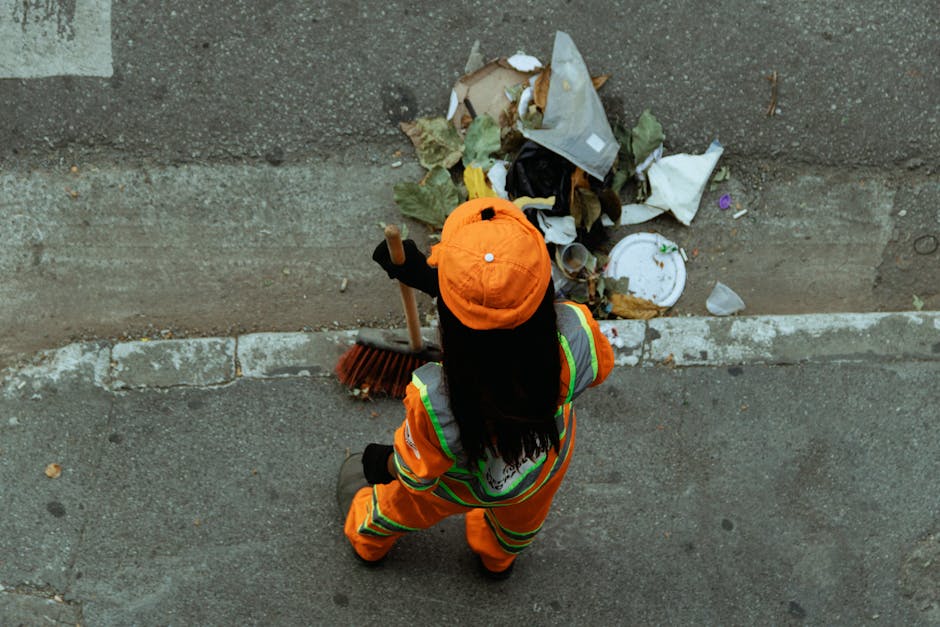
Common mistakes to avoid
Most bulky waste problems are avoidable. They tend to come from rushing, guessing, or assuming the item will be easy to remove "once we get started." That phrase causes more trouble than it should.
- Leaving items until the last minute. This creates pressure and increases the chance of poor decisions.
- Not checking access properly. A sofa that fits in the room may still fail at the front door or stair bend.
- Mixing too many different waste types together. That can complicate sorting and disposal.
- Forgetting about weight. A solid wood unit is not the same as a hollow flat-pack frame.
- Assuming every collector handles every item the same way. They do not.
- Leaving broken glass, sharp metal, or loose parts exposed. This creates a safety issue.
- Choosing a provider without checking compliance. That can create problems if waste is mishandled later.
One of the most common slip-ups is putting bulky items outside too early. People think they are helping the collection along, but it can lead to obstruction, weather damage, or neighbour complaints. Better to have a clear pickup plan than a half-removed wardrobe sitting by the kerb like an exhausted prop.
If you are comparing providers, you may also want to read the company information on insurance and safety. That is a sensible trust signal, and it is especially relevant when heavy lifting or awkward access is involved.
Tools, resources and recommendations
You do not need a full workshop to manage bulky waste well, but a few simple tools can make the day easier.
- Measuring tape: useful for checking access, furniture dimensions, and door clearances.
- Heavy-duty gloves: helpful for rough edges, splinters, or old fittings.
- Strong bin bags: ideal for loose fixings, cushions, fabric offcuts, and other smaller parts.
- Basic screwdriver or Allen key set: handy if the item can be dismantled safely.
- Furniture sliders or a sack barrow: useful only if you know how to use them properly and safely.
- Sticky labels or tape: good for marking keep, remove, or recycle areas.
- Phone camera: simple, but very effective for documenting item condition and access points.
For readers who want to understand the wider service landscape, about us and services overview can be useful background pages. They help you see how a provider positions itself and what kinds of waste it is set up to handle.
If you are dealing with a home sale, rental change, or property refresh in the Greenwich area, this can also fit neatly alongside planning content such as purchasing homes in Greenwich or greenwich property: how to invest wisely. Bulky waste is not glamorous, but it absolutely affects first impressions and day-to-day use of a property.
Law, compliance, standards, or best practice
Bulky waste removal touches on compliance because waste still has to be handled properly after it leaves your property. You do not need to become an expert in waste law, but you should know the basics.
Best practice in the UK generally means using a legitimate waste carrier, keeping clear records if you are a landlord or business owner, and making sure waste goes to an appropriate disposal or recycling route. If a company cannot explain how it handles your waste, that is a red flag. Simple as that.
From a homeowner's point of view, the important thing is to avoid handing waste to anyone who cannot demonstrate proper registration or responsible handling. That matters even more if you are clearing multiple items, because the risk of bad practice increases when the job is larger and faster-moving. The page on waste carrier licence and compliance is worth a close read if this is new to you.
Safety standards matter too. Heavy lifting, sharp edges, trapped fingers, unstable piles, and poor access can all lead to avoidable injuries. Responsible operators should plan around those risks rather than pretending they do not exist. A trustworthy setup also means using proper insurance and taking care around shared areas, which is why the earlier insurance and safety reference is genuinely relevant here.
If sustainability matters to you - and for many Greenwich Park residents it does - then sorting items for reuse, recycling, or responsible disposal is not just a nice extra. It is increasingly part of normal good practice.
Options, methods, or comparison table
There is more than one way to deal with bulky waste. The right option depends on time, volume, item type, and how much lifting you want to do yourself.
| Method | Best for | Pros | Watch out for |
|---|---|---|---|
| Self-removal | Small loads, easy access, transport already available | Flexible, can feel cheaper upfront | Manual handling risks, time, vehicle limitations |
| Council-style bulky collection | Single or limited household items | Structured process, familiar for residents | Availability, item restrictions, timing constraints |
| Private bulky waste collection | Mixed items, short deadlines, awkward access | Convenient, flexible, often faster | Varies by provider; check compliance and scope carefully |
| House clearance service | Whole-room or whole-property clear-outs | Efficient for larger jobs, less stress for the customer | Needs clear instructions and a proper item inventory |
As a rule of thumb, if you only have one manageable item and a vehicle, self-removal can be fine. If the item is heavy, awkward, or time-sensitive, a professional collection usually makes more sense. And if you have several bulky items with mixed waste, it is often better to get advice before trying to piece the job together yourself.
For business premises or shared properties, you may also find commercial waste removal in Greenwich useful, especially where furniture changes happen as part of an office move or refurbishment.
Case study or real-world example
A fairly typical Greenwich Park scenario goes like this: a family has spent a weekend clearing out a spare room before guests arrive. They discover an old double mattress, a broken chest of drawers, a side table missing a leg, and a heavy armchair they no longer want. At first, it all looks manageable. Then they try moving the wardrobe and realise the hallway turn is tighter than expected. That is usually the moment people say, "Right, we should have planned this better."
Instead of forcing everything out at once, they split the job into stages. First, they measure the access route. Then they remove loose items from the room. Next, they dismantle the drawers and bag the fixings. They take photos of the bulky pieces, check which items are reusable, and separate the armchair from the broken furniture. Once the route is clear, the collection becomes much simpler.
The biggest difference was not speed, oddly enough. It was calm. There was no panic at the doorway, no awkward dragging across the floor, and no damaged skirting board at the end of it. The family also avoided the common mistake of putting items outside too early and leaving them there to weather a damp evening.
That is the real lesson: bulky waste is much easier once the shape of the job is clear. It sounds ordinary, but ordinary is good here.
Practical checklist
Use this checklist before collection day. It keeps the job tidy and reduces last-minute surprises.
- List every bulky item that needs removal.
- Decide what can be reused, donated, recycled, or disposed of.
- Measure doorways, stairwells, and any narrow turns.
- Check whether the item can be dismantled safely.
- Clear the route from the item to the exit.
- Move fragile or valuable items well out of the way.
- Bag screws, brackets, and small fittings.
- Take photos for reference.
- Confirm the collection time and access arrangements.
- Make sure the item is safe to lift and move.
- Ask how the waste will be sorted or recycled.
- Keep children and pets away from the collection path.
Expert summary: the best bulky waste jobs are usually the boring ones. Clear list, clear route, clear timing, no guesswork. That is what keeps the whole thing smooth.
Get a free quote today and see how much you can save.
Conclusion
Greenwich Park bulky waste removal and collection tips are really about one thing: making a messy task feel manageable. If you identify your items early, prepare the route, think about access, and choose a sensible collection method, the whole process becomes far less stressful. You also reduce the chance of damage, wasted time, and that sinking feeling when a huge item turns out to be bigger than expected. Happens all the time.
The best approach is usually simple, careful, and honest about the job in front of you. If the item is awkward, heavy, or part of a wider clear-out, treat it as a planned project rather than an afterthought. A bit of structure goes a long way, especially in a real home where space is precious and the day never quite goes exactly to plan.
And once the bulky waste is finally gone, the room feels different. Lighter. Easier. More usable. That small sense of relief is often the best part.