Same day rubbish emergency removal common problems and delays
Posted on 09/07/2026
When rubbish has to go today, everything feels more urgent than it should. A blocked hallway, a broken fridge in the kitchen, builders' bags by the front gate, or a post-party mess that has to disappear before the landlord turns up can all trigger the same thought: you need help now. That is where same day rubbish emergency removal common problems and delays become very real, very fast. The service sounds simple, but in practice there are a few common snags that can slow things down or make the job more complicated than expected.
This guide breaks down what usually goes wrong, why delays happen, how the process works, and what you can do to keep an urgent clearance on track. If you are weighing up options, trying to avoid hidden surprises, or just need the junk gone without a circus, you are in the right place.
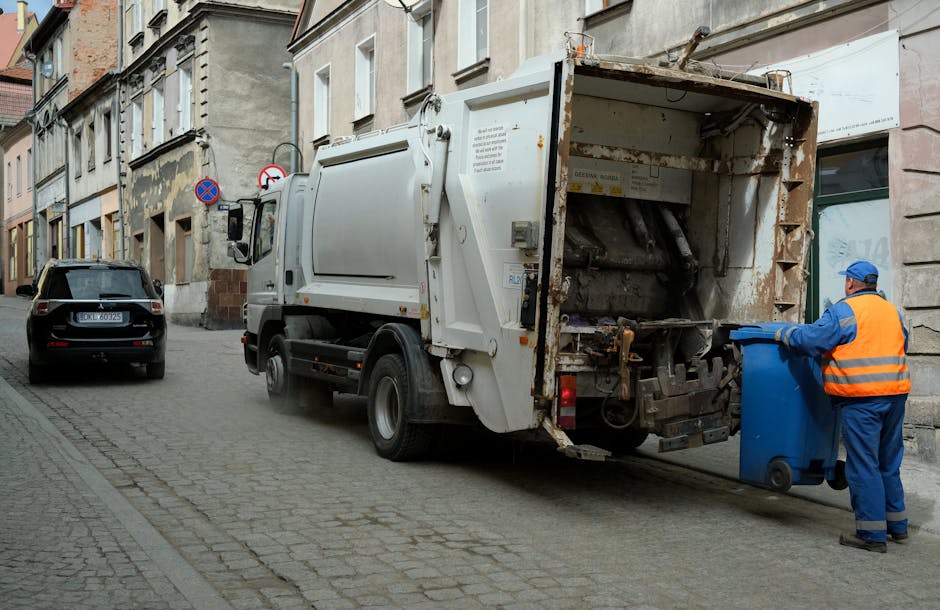
Why Same day rubbish emergency removal common problems and delays Matters
Urgent rubbish removal is not just about convenience. In a busy household, a workplace, or a rental property, delay can quickly turn into stress, lost time, and sometimes even avoidable costs. A pile of waste in a narrow passageway can obstruct access. Oversized items left in a front garden can annoy neighbours. Wet or food-based rubbish can start to smell, especially in warm weather, and nobody wants that lingering around by late afternoon.
There is also a practical side that people often underestimate. Emergency clearances are usually arranged at short notice, which means the margin for error is small. If the operator arrives and cannot get access, the booking may be pushed back. If you underestimate the amount of rubbish, the vehicle might not be large enough. If the waste contains awkward items, loading can take longer than expected. These are not dramatic failures; they are the everyday realities behind many delayed jobs.
For landlords, letting agents, builders, shop managers, and homeowners dealing with an unplanned mess, the real value of understanding delays is simple: it helps you prepare properly. That preparation can make a same day collection feel surprisingly smooth. And honestly, smooth is what you want when the clock is ticking and the hallway already looks like a small landfill.
Expert summary: The biggest cause of same day delay is rarely the truck itself. More often it is incomplete information, poor access, awkward waste types, or a booking made without enough detail. A quick, accurate briefing usually saves more time than people expect.
How Same day rubbish emergency removal common problems and delays Works
Same day rubbish emergency removal usually follows a straightforward pattern. You contact a clearance team, describe what needs removing, share access details, and arrange a collection window. A crew is then scheduled to attend as quickly as possible, assess the load, remove the waste, and take it away for sorting, recycling, or disposal.
In real life, though, the pace depends on several moving parts. The team has to check vehicle availability, route distance, job size, and the type of waste involved. A small domestic clear-out can be relatively simple. A large commercial or mixed waste job with heavy furniture, broken appliances, and builder's rubble is a different story. You might still get a same day response, but loading time and access issues can slow the process.
The most common delays tend to happen at the quotation stage or arrival stage. If the person booking the job cannot describe the waste accurately, the crew may arrive expecting a few black bags and instead find a whole room's worth of furniture. That mismatch creates a knock-on effect. The crew may need extra labour, a bigger vehicle, or a second visit. Not ideal, to be fair.
Good providers usually ask a lot of questions up front for that reason. They want to know whether the waste is bagged, loose, heavy, in a basement, on a narrow street, near parking restrictions, or mixed with bulky items. It is not fussiness. It is how they reduce surprises.
Typical flow of a same day job
- You describe the waste and your location.
- The provider assesses likely labour, access, and vehicle needs.
- A price or estimate is given based on the information provided.
- The team confirms a collection slot.
- On arrival, they load, sweep up, and remove the waste.
- The waste is then handled under appropriate sorting and disposal processes.
That looks tidy on paper. The delays appear when one of those steps is based on guesswork rather than facts.
Key Benefits and Practical Advantages
When the job is booked properly, emergency rubbish removal can save a lot of headaches. The biggest advantage is speed. You get the clutter out of the way before it spreads, worsens, or causes knock-on problems. But there are several other benefits worth noting.
- Reduced disruption: You can reopen a room, doorway, yard, or shop floor quickly.
- Less physical strain: Heavy lifting is handled by trained people rather than by you and a borrowed trolley.
- Cleaner presentation: Useful for viewings, inspections, end-of-tenancy checks, or customer-facing premises.
- Better safety: Sharp, heavy, or unstable items are removed before they cause injury.
- Faster decision-making: A same day collection often forces a clear yes/no decision on what stays and what goes.
There is a quieter benefit too. Once the clutter is gone, people usually think more clearly. That sounds a bit sentimental, maybe, but it is true. A clear space often makes the next step much easier, whether that is a renovation, a move, or just getting your life back to normal.
If you are comparing options, it can help to review the broader services overview first so you know which type of removal best fits the situation. For bulky loads, the wrong service choice is a common reason jobs get delayed.
Who This Is For and When It Makes Sense
Same day rubbish emergency removal is not for every situation. Some waste can wait. But when time is limited, the service becomes useful for a wide range of people.
It often makes sense for:
- Homeowners dealing with an unexpected pile-up after a clear-out
- Tenants who need waste removed before a moving deadline
- Landlords preparing a property between occupancies
- Businesses facing storage overflow, office clearance, or post-event waste
- Builders needing fast removal of leftover materials
- Families handling a house clearance under time pressure
- People disposing of large furniture or a dead appliance before it becomes a hazard
It is also relevant when the mess is awkward rather than simply large. For example, a hallway blocked by an old sofa can stop tradespeople getting into the property. A broken washing machine sitting under the stairs is not just ugly; it is a nuisance every time someone passes. Urgency often comes from inconvenience, not volume.
In some cases, a same day collection is the only practical answer. In others, it is a strong preference. There is nothing wrong with that. If the situation is already stressful, nobody wants to wait three days while bins overflow and tempers get shorter.
Step-by-Step Guidance
If you want to reduce the chance of delays, follow a clear process from the start. This is where a little organisation pays off properly.
1. Make a quick but honest list
Write down what needs removing. Be specific. "Old stuff from the garage" is not enough. "Two armchairs, a mattress, six bin bags, broken shelves, and a fridge" is much more useful.
2. Take a few photos
Photos help the provider assess size, loading difficulty, and access. One wide shot and a couple of close-ups are usually enough. If the rubbish is in a rear garden, basement, or upper-floor flat, show that too.
3. Check access before you book
Ask yourself: can a van get close? Is parking difficult? Is there a long carry distance? Are stairs involved? A short lift job is very different from carrying heavy waste down several floors.
4. Flag any unusual waste types
Tell the provider if the load includes paint, chemicals, plasterboard, electrical items, fridges, or anything especially heavy or fragile. Some waste streams need separate handling, and that can affect timing.
5. Confirm what time "same day" actually means
Some jobs can be attended within hours; others may be late afternoon, depending on workload and location. Ask for the likely arrival window. It is a small question, but it avoids that irritating "any time today" uncertainty.
6. Clear the route
Move cars if needed, unlock gates, and make sure the crew can reach the waste safely. If the job is indoors, open doors and remove obstacles before the team arrives.
7. Be ready to decide on the spot
Emergency clearances can move quickly. If you are still sorting through old items when the crew arrives, everything slows down. Decide in advance what is definitely going and what might stay.
That preparation sounds almost too simple, but it genuinely helps. A well-prepared job can move with very little drama. And drama is exactly what you do not need on a busy Tuesday afternoon.
Expert Tips for Better Results
In practice, the best same day jobs are not the ones with the fanciest pitch. They are the ones with good information, realistic expectations, and decent access. Here are the habits that make the biggest difference.
- Tell the truth about volume. People often underplay the amount of waste because they hope the price stays lower. That can backfire if the crew arrives under-equipped.
- Separate the obvious recyclables if you can. It may not always be essential, but keeping cardboard, metal, or clean wood separate can make the job simpler.
- Measure bulky items roughly. You do not need a tape measure for everything, but a rough size of the biggest items helps.
- Keep fragile or valuable items away from the waste pile. In a rush, good intentions and mixed piles do not always play nicely.
- Prepare for a second-pass sweep. Sometimes the crew will remove the main load first, then come back for loose bits, dust, or smaller leftovers. That is normal.
- Ask about loading time if you have a tight deadline. A ten-minute access issue can become a forty-minute problem very quickly.
One useful little trick: if the waste is spread across multiple rooms, group it together before the team arrives. Not perfectly, just enough to make the route obvious. It cuts out the wandering-about effect. That saves everyone time, and yes, your own sanity too.
If you want to understand pricing and what usually changes the final figure, the pricing and quotes page is a sensible place to start before booking anything urgent.

Common Mistakes to Avoid
Most delays in same day rubbish removal are avoidable. The following mistakes show up again and again, and they are often the reason a job becomes slower, more expensive, or more complicated than it needed to be.
1. Booking before checking access
If the van cannot stop nearby or the item has to be carried a long way, the schedule may shift. Narrow roads, permit restrictions, and awkward entry points all matter.
2. Hiding the awkward items
Some people mention the obvious bags and forget the broken bed frame, the fridge, or the rubble in the shed. That is a problem, because the provider is planning around incomplete information.
3. Not sorting out parking
If parking is difficult, tell the provider in advance. In some streets, a few minutes of parking confusion can throw the whole collection off. Especially in busier parts of London, that is not unusual.
4. Assuming every item is handled the same way
Furniture, white goods, garden waste, construction debris, and general domestic rubbish can all require different handling. A mixed load is fine, but it should be described properly.
5. Leaving everything until the last minute
This is the classic one. The deadline appears, the room is still full, and suddenly everyone wants the fastest possible solution. The result can be a rushed booking with poor details.
6. Ignoring licensing and safety questions
A rushed decision is still a decision. It is worth checking that the company is properly set up to handle waste responsibly and safely. If in doubt, look at their waste carrier licence and compliance information and the insurance and safety details before you go ahead.
There is no prize for booking the first option that answers the phone. The better approach is quick, yes, but still careful.
Tools, Resources and Recommendations
You do not need a big toolkit to handle urgent rubbish removal well. A few simple things make a surprising difference.
- Phone camera: Use it to send clear photos of the waste and access points.
- Notes app: Keep a short list of items, quantities, and any access issues.
- Bin bags or labels: Useful if you want to separate loose rubbish from bulky items.
- Door stop or tape: Helps keep access routes open for the crew.
- Measuring tape: Handy for oversized furniture, appliance spaces, or awkward garden items.
On the website itself, a few pages are worth reviewing if you are trying to plan a same day removal properly. For example, domestic waste collection is useful for household clear-outs, while furniture removal is the better fit for bulky items that will not go into ordinary bags. If your job is more trade-related, builders waste removal may be the relevant option instead.
If you are dealing with an appliance, do not guess your way through it. White goods often need special handling, and a page like white goods and appliance disposal can help clarify what should be mentioned during booking.
And if you care about where the waste ends up, which you probably should, the recycling and sustainability information is worth a look. Same day does not have to mean careless. Not at all.
Law, Compliance, Standards and Best Practice
Emergency rubbish clearance still has to be handled properly. In the UK, waste transfer and disposal are not casual tasks. You should expect the provider to operate lawfully, handle waste responsibly, and be able to explain how it is managed after collection.
That does not mean you need to become a compliance expert overnight. It does mean you should ask sensible questions. For example: are they authorised to carry waste? Do they separate recyclable material? Are they covered for the work they are doing? Can they explain how they handle mixed waste or items requiring special treatment?
For customers, the biggest compliance risk usually comes from choosing a rogue operator who offers a quick price but gives no proper paperwork, no clarity, and no accountability. That can create problems later if waste is fly-tipped or handled badly. It is a headache you really do not want, especially when you were only trying to clear a room.
Best practice is straightforward:
- Use a provider that is transparent about what they take.
- Ask how waste is sorted and processed.
- Be honest about the type and amount of rubbish.
- Keep any booking details, receipt, or confirmation for your records.
- Make sure the team knows about any safety concerns on site.
For businesses, good practice also includes keeping waste management tidy from the start. If your workplace is regularly generating overflow, the right approach may be less about emergency bookings and more about better planning. There is a useful discussion of this in the workplace waste planning article, tips for managing waste in the workplace.
In short: speed is useful, but it should never come at the expense of responsible handling.
Options, Methods and Comparison Table
Not every rubbish problem needs the same response. Here is a simple comparison to help you think about the most practical option.
| Option | Best for | Typical strengths | Common limits |
|---|---|---|---|
| Same day emergency removal | Urgent clutter, deadlines, access problems, unexpected clear-outs | Fast response, reduced stress, immediate space recovery | Can be affected by access, waste type, and short notice availability |
| Scheduled collection | Non-urgent household or business waste | More time to prepare, easier planning, often simpler logistics | Not suitable when a space must be cleared immediately |
| DIY removal | Very small loads and lightweight items | Low direct cost, full control over timing | Heavy lifting, transport issues, time cost, safety risks |
| Specialist clearance | Large house clearances, mixed loads, awkward or heavy items | Better suited to complex jobs and larger volumes | May need more coordination than a quick one-load pickup |
If your main problem is a single sofa or a few bags, same day removal may be perfectly enough. If the property is full, or you are dealing with a deeper clear-out, a more structured service can be the calmer choice. Sometimes the fastest route is not the most suitable one. Annoying, but true.
Case Study or Real-World Example
Here is a realistic example from the kind of jobs that crop up all the time. A tenant moves out on short notice, leaving behind a broken wardrobe, a mattress, some flat-pack offcuts, and a pile of mixed bagged rubbish in the hallway. The landlord needs the flat ready for viewings the next day.
The first booking attempt is slow because the waste is described too generally. "A few bits of rubbish" does not help much. When clearer photos are sent, the provider can see that the wardrobe is heavy, the hallway is narrow, and parking outside is tight. That changes the plan. The crew still attends the same day, but the arrival slot moves a little later because a smaller vehicle is not suitable for the access route.
Once on site, the team works quickly. The issue is not the lifting itself. The issue was the incomplete first description. In the end, the collection happens that afternoon, but only because the customer gives proper details after the first exchange. It is a small example, yet it captures the whole point: delays usually come from information gaps, not from bad luck.
That same pattern shows up with garden waste, post-renovation mess, and office clearances too. The mess changes. The problem does not.
Practical Checklist
Use this before you book a same day rubbish collection. It takes a few minutes and can save a lot of faff later.
- List every main item and estimate the number of bags or boxes.
- Take photos of the waste from more than one angle.
- Check whether the items are heavy, sharp, wet, or awkward.
- Confirm if the waste is inside, outside, upstairs, in a basement, or in a garden.
- Note parking restrictions, narrow access, gates, or long carry distances.
- Separate anything that may need special handling.
- Have a rough idea of when you need the area clear by.
- Confirm the provider's arrival window and what happens if access changes.
- Keep the route clear for the crew.
- Ask for paperwork or booking confirmation.
If you are dealing with a house clearance rather than a simple one-off load, the local advice in house clearance can be a helpful companion read. For larger household situations, the house clearance advice for Maze Hill and Westcombe Park article is also useful.
Conclusion
Same day rubbish emergency removal is at its best when the job is described clearly, the access is sensible, and everyone understands what is being removed before the van arrives. The common delays are usually practical ones: poor access, hidden items, unclear photos, awkward waste types, and rushed assumptions. Once you know that, the process becomes much easier to manage.
So if you need rubbish gone quickly, do the simple things well. Be specific. Be honest. Check access. Ask about timing. It is a small bit of effort that can save a lot of stress, and, frankly, a lot of waiting around by the front door listening for a van that is running late.
If you want a more confident start, review the relevant service information, check the booking details carefully, and make sure the company's safety and compliance pages look reassuring before you commit. A calm, well-planned urgent job is still possible. It really is.
Get a free quote today and see how much you can save.